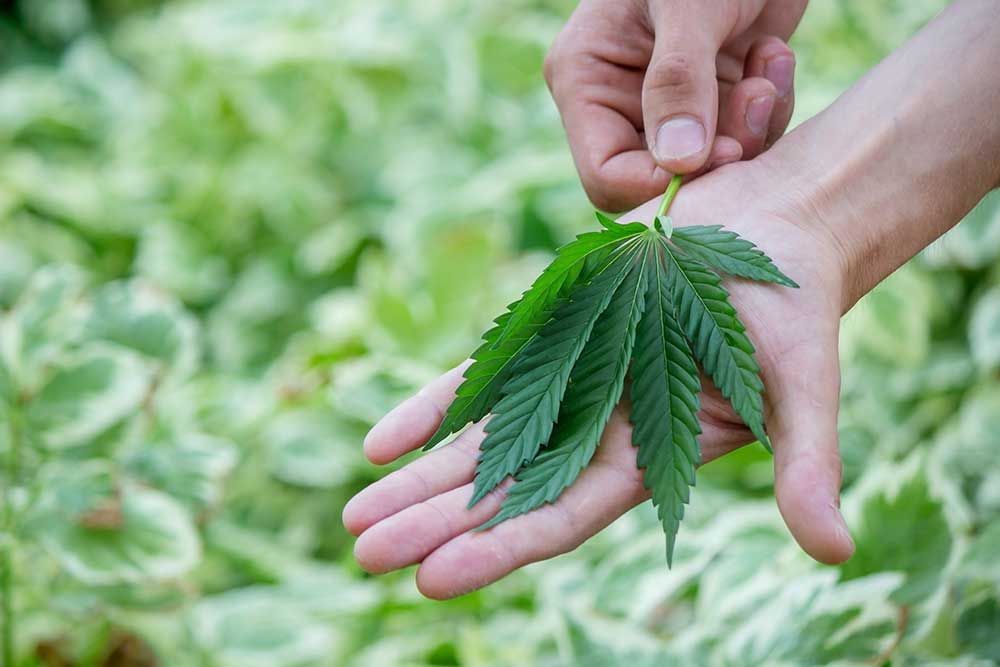
Is It Safe to Hike While High?
How much does being intoxicated actually increase your hiking risks? The facts show falls and slips account for 20.3% of hiking fatalities in National Parks.
You’re already vulnerable on uneven terrain. Add intoxication, and you’re markedly more likely to lose your footing.
Medical issues cause 15.4% of hiking deaths. Being high can mask symptoms of exhaustion or heart problems. You won’t recognize warning signs your body sends. Before heading out on trails, check park websites for alerts to understand current conditions and hazards you may encounter. Staying on marked trails significantly reduces the likelihood of accidents and disorientation.
Being high can mask symptoms of exhaustion or heart problems. You won’t recognize warning signs your body sends.
The data reveals males make up 74.1% of fatalities. Intoxication impairs judgment, coordination, and reaction time. These impairments compound existing risks.
Hiking itself carries a 0.0064% annual mortality rate. That’s safer than crossing streets.
But substances considerably alter your balance, decision-making, and awareness on trails. The hazards multiply when you’re not fully present.
Choose a Strain and Dose for Your Fitness Level
If you’re still considering hiking while using cannabis, what you choose matters just as much as whether you choose it at all.
Beginners should stick with lower THC strains (13-17%) or CBD-balanced options. They provide milder effects that won’t throw you off balance.
Experienced users can handle higher THC strains (18-25%) for stronger energy or pain relief.
Match your dose to your tolerance level. High THC doses impair coordination, which isn’t safe on trails.
Consider the terpenes too. Limonene enhances alertness for active hikes. Myrcene helps muscles relax after you’re done. Caryophyllene reduces pain and inflammation. CBD provides non-intoxicating anti-inflammatory effects ideal for daytime recovery during or after your hike. Strains like Jack Herer and Strawberry Cough combine uplifting and energizing effects perfect for maintaining focus on challenging terrain.
Short hikes? Fast-acting strains work best. Extended treks? Choose longer-lasting options.
Your fitness level guides everything. Pick what fits your body and experience.
Plan Hiking Routes With Extra Safety Margins
Planning your hiking route carefully becomes even more important when cannabis use is involved. You’ll want to choose trails that’re marked clearly and well-maintained. Avoid technical routes with scrambling sections that demand sharp focus and balance. Check AllTrails and similar apps for real community feedback on conditions.
Choose clearly marked, well-maintained trails and check community feedback on AllTrails when planning cannabis-inclusive hikes.
You should pick destinations realistic for your fitness level—especially when carrying a backpack. Beginner hikers shouldn’t go more than five miles in. Download offline maps before you leave cell service areas. Tell someone your planned route, expected return time, and vehicle details. Cannabis consumption is illegal on public trails, so ensure your hike remains sober and compliant with local regulations.
Research local laws first. Federal lands prohibit cannabis entirely. State and county rules differ, so check your specific jurisdiction. Each state along your hiking destination has its own cannabis laws with varying possession limits and restrictions.
Identify a backup route in case your primary trail becomes inaccessible. These steps keep you safer out there.
Build More Water and Snacks Than You Think You’ll Need
Many hikers underestimate how much water and snacks they need on the trail, especially when combining physical exertion with cannabis use.
Here’s why: hiking makes you sweat, and cannabis increases your urine output by 200–400%. That’s a lot of fluid loss happening at once.
You’ll want to pack more water than you think you’ll need. Bring electrolyte supplements too. They help your body hold onto fluids better than water alone.
For snacks, grab water-rich foods like watermelon, cucumbers, and oranges. Skip the salty snacks—they’ll make you thirstier.
Hydrating foods help replace what your body loses during activity and cannabis use.
Sip water consistently before, during, and after your hike.
Spot Impairment Before It Becomes Dangerous
Even with proper hydration and snacks, you’ll still need to watch for signs that cannabis is affecting your body and mind on the trail.
Pay attention to changes in your balance and coordination. Notice if you’re having trouble judging distances or stepping carefully over rocks. Your reaction time might slow down, making quick decisions harder.
Watch for dizziness or trouble focusing on the path ahead. You might feel disconnected from your surroundings or confused about where you are. Some people experience increased anxiety in unfamiliar terrain while impaired.
If you notice any of these changes, stop hiking and rest in a safe spot. Don’t continue on the trail if you’re feeling unsafe.
Consume Cannabis After Technical Terrain Only
You’ve got to keep your motor control sharp when you’re tackling technical terrain on the trail.
Waiting until you’ve finished scrambling sections and steep descents means you’ll steer through those challenging spots with full coordination and quick reflexes.
Timing your cannabis consumption for after you’ve completed the most demanding parts of your hike lets you stay alert where it matters most.
Preserve Motor Control First
Because cannabis impairs the brain regions that control movement, hikers should wait until after they’ve completed challenging terrain before using it.
THC slows your reaction times for up to six hours. You’ll notice stumbling and lose precision in your movements. Your balance gets worse with eyes closed. Arm acceleration drops by 16%, and leg power drops by 7% after use.
Technical hiking demands quick reflexes and steady footing. Cannabis makes both harder. You can’t react fast enough to prevent falls on steep slopes. Your coordination suffers. Your gait changes. These effects hit harder with stronger cannabis.
Stay sharp during difficult sections. Save cannabis for flat, safe areas where you’ve already finished the tough climbing. Your safety depends on it.
Time Your Consumption Strategically
Now that you know how cannabis affects your body during physical activity, timing matters just as much as knowing the risks.
You’ll want to save consumption for after you’ve tackled the toughest terrain. Waiting until you’re at a rest stop or camp protects you when you need sharp coordination most.
If you’re new to cannabis or unfamiliar with a product, skip it entirely until after your hike ends. Rest breaks give you natural moments to consume in controlled settings rather than while maneuvering challenging paths.
Strategic timing lets your body adjust to terrain demands first. This approach keeps impairment from jeopardizing your safety during critical moments when judgment and motor control matter most.
Extinguish Cannabis Safely to Prevent Wildfires
When you’re hiking in dry conditions, you’ll want to fully extinguish any cannabis before leaving your site, since even small embers can spark wildfires.
Portable ash storage solutions—like sealed containers you can pack out—help you manage remnants safely without leaving them behind.
Complete ember extinguishing methods are especially critical during fire season, when dry vegetation around trails can catch fire quickly from any heat source.
Complete Ember Extinguishing Methods
Unextinguished embers from outdoor fires pose a serious wildfire risk, especially during dry seasons when conditions favor rapid fire spread.
When you’re hiking and smoking outdoors, you’ll want to fully extinguish your materials before leaving an area. Cold water‘s your best bet for complete ember elimination. You can also bury ashes in mineral soil, away from dry vegetation.
Never assume embers are dead—they can reignite hours later. Carry a small water bottle dedicated to this purpose. Fully douse all smoking materials until they’re cool to the touch. Don’t leave anything smoldering.
Check twice before you leave your spot. Proper extinguishing protects forests you love and communities nearby.
Portable Ash Storage Solutions
To keep hiking areas safe from wildfire risks, you’ll want a reliable way to store ashes and smoking materials while you’re outdoors.
| Storage Type | Material | Best For | Key Feature |
|---|---|---|---|
| Fabric Pouches | Fireproof PVC | Camping trips | Snap button closure |
| Glass Ashtrays | Shatter-resistant crystal | Day hikes | Airtight silicone lid |
| Metal Tubes | Aluminum | Backpacking | Compact and discreet |
| Pocket Ashtrays | Heat-resistant foil | Quick outings | Fits in your pocket |
You’ve got solid options for every hiking situation. Fabric pouches with fireproof linings keep embers contained during backcountry excursions. Glass ashtrays with airtight lids work great for shorter hikes where you need odor control. Metal storage tubes offer maximum portability and discretion. Pocket ashtrays are perfect when you’re moving between locations. Each option prevents ash from scattering and reduces wildfire danger. Choose what fits your hiking style and pack it out responsibly.
Dry Conditions Fire Prevention
Wildfires spread fast during dry seasons, and improperly extinguished cannabis materials can spark dangerous fires.
You’ve got to crush embers completely and confirm no glow remains before you dispose of anything. Never toss lit or hot cannabis into dry vegetation or from your vehicle. Always use fire-proof ashtrays for cannabis remnants and ash.
Don’t leave burning cannabis unattended during outdoor use. Research shows that shredded bark mulches catch fire easily from embers within 30 feet of structures.
The NFPA’s NFPA 420 standard for cannabis facilities addresses rising fire incidents linked to improper handling. You’re responsible for preventing ignition sources. Fully extinguish smoking materials before disposal.
During dry conditions, your caution directly impacts whether wildfires start near your hiking location.
Frequently Asked Questions
Can I Hike While High if I Have Previous Cannabis Experience?
You can hike while high with experience—studies show experienced users report 40% better sensory awareness outdoors. You’ll chart safer trails confidently, though you’ll still need to monitor dehydration, avoid indica strains, and inform others of your plans.
What Should I Do if I Experience Panic Attacks While Hiking High?
You’ll want to find a safe, quiet spot immediately. Sit down, close your eyes, and breathe deeply while reminding yourself you’re safe and it’ll pass soon. Consider heading back to your car if you’re feeling overwhelmed.
How Does Cannabis Affect My Ability to Navigate Using Maps and GPS?
Cannabis impairs your map reading and spatial awareness while slowing your reaction time to wayfinding changes. You’ll struggle interpreting terrain features and making route adjustments quickly, even with GPS assistance.
Should I Inform My Hiking Companion That I’m Consuming Cannabis?
You’ve got to give your companion a fighting chance. Yes, you should tell them—honesty’s the best policy. They’ll recognize impairment signs better, help manage risks, and decide if they’re comfortable hiking with you.
What Legal Consequences Exist for Hiking on Federal Lands While High?
You’ll face up to one year in prison and a $1,000 minimum fine for possession on federal lands. You’re creating a permanent federal criminal record with no expungement option, plus mandatory drug testing and probation requirements.