Lock In Your Pre-Conference Objectives and VIP Must-Meet List
Before you walk into a cannabis conference, you’ve got to know what you’re there to accomplish. Start by setting clear, measurable goals using the SMART structure—specific, measurable, achievable, relevant, and time-bound.
Are you hunting for new suppliers? Building partnerships? Gathering market intel? Document these priorities so your team stays aligned.
Next, identify your must-meet list. Research the exhibitor directory and attendee demographics beforehand. Target industry segments relevant to your business—cultivation, retail, technology, or investment sectors. Consider leveraging Elevated Enterprise features to verify industry credentials and identify decision-makers in your target sectors.
Map out competitors attending and locate regulatory experts addressing cannabis compliance. Since personal interactions are fundamental in the cannabis industry, prioritizing genuine connections that align with your strategic objectives will yield better results than collecting contacts indiscriminately. Use platforms like Vendelux to centralize attendee data and coordinate your team’s outreach strategy.
Block calendar time for key meetings while staying flexible for unexpected opportunities. Prep your follow-up system with templates and contact databases. Assign team members specific roles and targets.
This groundwork changes conference attendance from wandering around into strategic networking.
Become a Pre-Roll Innovation Thought Leader Before You Arrive
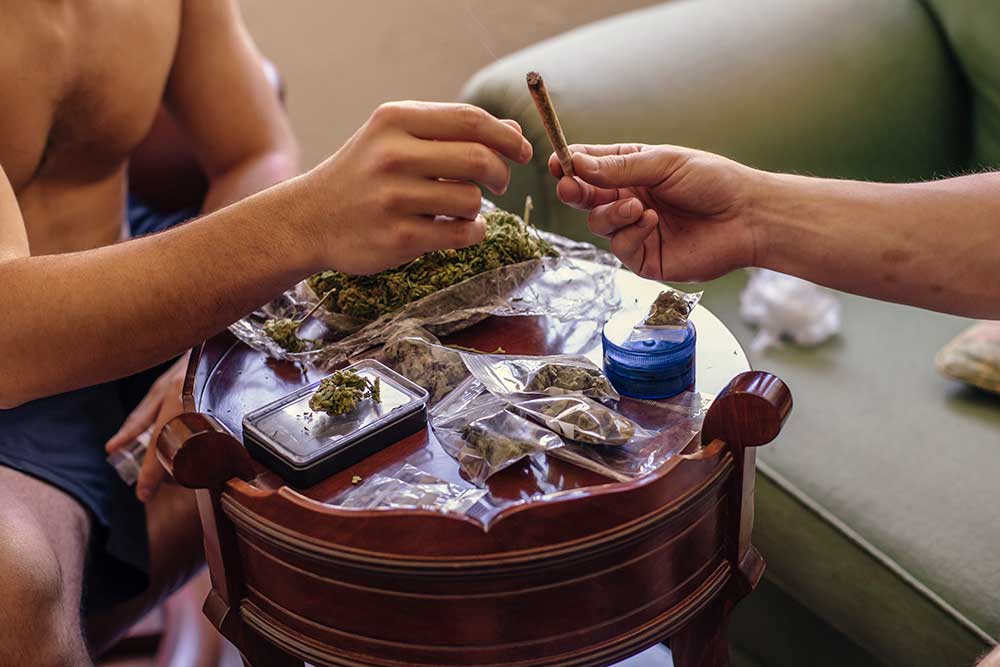
You’re looking at a $2.8 billion industry that’s exploding with innovation. Infused pre-rolls alone grabbed $1.1 billion in 2025—that’s nearly half the entire category. They’re the fastest-growing segment, jumping 28% in units sold.
Here’s what’ll set you apart: comprehend the shift toward convenience. Millennials drive 45% of pre-roll spending. Single-strain hybrids lead sales at 142.8 million units. The legal cannabis market continues expanding with adult-use cannabis legal in 24 states, creating unprecedented opportunities for pre-roll innovation and distribution.
Sustainable packaging with QR codes and NFC chips? That’s where brands differentiate themselves. AI-powered personalization is becoming essential for reaching consumers who are conducting their own research through websites and local news.
You’ll impress peers by knowing automation’s balancing supply with demand. Functional blends mixed with adjusters and nootropics represent 2026’s direction.
These facts position you as someone who gets where the market’s heading.
Build Banking Relationships That Unlock Institutional Capital
While you’re honing your skills on pre-roll trends, you’ll also want to grasp the banking environment that’s redefining the cannabis industry.
You’re entering a revamped setting. Recent federal moves—including rescheduling from Schedule I to III and proposed SAFER Banking legislation—are opening doors that were previously locked.
Banks now see cannabis as a legitimate opportunity rather than a compliance nightmare.
Here’s what’s shifting:
- Banks can now serve state-legal operators without fear of federal penalties
- Rescheduling removes the principal legal risk deterring institutional lenders
- Financial institutions are building structured cannabis banking programs
You’ll find that institutional capital flows toward operators who recognize these changes.
Connect with bankers at the conference who comprehend the new terrain. They’re your gateway to scaling operations beyond cash-only constraints. Understanding FinCEN guidance updates will be critical as you engage with these financial professionals. The cannabis industry’s estimated growth to over $30 billion demonstrates the scale of institutional investment opportunities available to compliant operators.
Stay Sharp on Cannabis Regulatory Shifts Reshaping Your Category
You’re watching federal rescheduling timelines shift the ground beneath your business while state regulators simultaneously redraw their own rulebooks.
President Trump’s December 2025 executive order to move marijuana from Schedule I to Schedule III could eliminate major federal tax restrictions, but you’ll need to track how your state adjusts its compliance structure in response.
Virginia’s new HB624 and Texas’s modernized serving-size standards show how states are recalibrating their regulations—and you’ve got to stay current on these changes or risk operating outside the legal lines.
Federal Rescheduling Timeline Impacts
As cannabis regulations shift dramatically, here’s what’s happening: President Trump signed an executive order on December 18, 2025, telling the Attorney General to move marijuana from Schedule I to Schedule III.
This rescheduling process has a tight timeline ahead:
- An administrative hearing was postponed from January 21, 2025, but legal challenges will likely cause delays.
- The Kalshi market predicts rescheduling completion before January 1, 2027.
- A November 2026 hemp law effective date could make many existing intoxicating hemp products illegal under federal law.
You’re watching competing deadlines unfold. The executive order mandates a final rule, but the exact pathway remains unclear.
Hemp industry players scramble to prepare for potential November 2026 changes. This rescheduling reshapes your category fundamentally.
Stay tuned—timelines are shifting fast.
State Compliance Framework Evolution
State cannabis rules are changing fast across the country. You’re watching major shifts that’ll reshape how you do business.
| State | Focus Area | Status |
|---|---|---|
| California | Regulatory Streamlining | Plant tagging removed |
| New Hampshire | Adult-Use Legalization | House passed HB 186 |
| North Carolina | Dual Pathway Options | Two bills proposed |
| Indiana | Decriminalization | Fines-only penalties |
California’s cutting red tape by eliminating plant tagging requirements and removing mandatory distributor intermediaries. That means you’ve got more flexibility transferring products between locations.
Meanwhile, New Hampshire’s pushing forward with legalization votes while North Carolina offers you two different pathways—adult-use only or combined adult-use and medical options.
Indiana’s taking a softer approach with decriminalization, proposing fines instead of jail time for smaller amounts.
You’re navigating a patchwork system. Stay tuned to your state’s specific changes.
Dominate Virtual Networking: Live Chat, Posters, and Off-Hours Access
You’ll find that 49% of B2B marketers shifted to webinars with chat features during the pandemic, making live chat a key tool for real-time connections at cannabis events.
Virtual poster sessions on platforms like Hyperfair let you showcase 3D product renderings and collect virtual swag that translates into real prizes.
You can also tap into 24/7 networking through platforms offering off-hours access to expo halls, so you’re not limited to scheduled event times.
Strategic Chat Engagement Tactics
Virtual networking at cannabis conferences isn’t just about watching sessions—it’s jumping into live chat conversations where real connections happen. You’re engaging directly with experts on therapeutic applications, regulatory updates, and analytical methods as they unfold.
Here’s what makes chat engagement powerful:
- Real-time interaction lets you ask questions about novel cannabinoids and AI testing platforms instantly.
- Extended access keeps chat rooms open for one year, so you can revisit discussions and deepen connections anytime.
- Global reach connects you with professionals worldwide without travel costs or location barriers.
You’re building relationships that matter. The data shows loyalty members spend 3.5x more annually through digital engagement. Your active participation in live discussions establishes you as a serious industry player. That’s how you dominate virtual networking.
Virtual Poster Presentation Mastery
Posters aren’t just static displays anymore—they’re interactive gateways to global networking at cannabis conferences.
You’ll submit high-resolution PDFs that reach audiences worldwide through virtual platforms. Your poster stays accessible for a full year after the event ends, giving you extended visibility.
Live-streaming lets people watch your presentation in real time. You’ll engage directly through integrated chat sessions, answering questions as they come in.
Video summaries enhance engagement beyond the poster itself.
Email discussions extend your networking beyond scheduled sessions. Interested colleagues can reach you directly across different time zones. You’re not limited to conference hours—connections happen asynchronously too.
This format removes geographic barriers. International attendees join without travel costs.
Everyone accesses your work equally, creating genuine connection opportunities in the cannabis science community.
Maximize After-Hours Networking Opportunities
While interactive posters create significant connections during live events, the real networking power emerges when the conference doors close.
You’ll identify that off-hours interactions reshape your conference experience. Here’s what happens after the main sessions end:
- Email-based discussions let you connect with poster presenters and colleagues outside formal session times, deepening technical conversations at your own pace.
- Global participation across time zones creates natural networking windows as cannabis professionals from different regions engage with content when it suits them.
- Community hubs within virtual platforms keep conversations alive throughout the entire year, letting you maintain relationships long after the event concludes.
These extended opportunities mean you’re not limited by live schedules or geographic distance.
You’ll build stronger professional relationships when you can interact on your own terms. That’s where genuine connections happen.
Spot Acquisition Targets in the License Consolidation Shakeout
How can operators spot the best acquisition targets during cannabis’s market consolidation? You’ll find distressed assets in mature markets where tax burdens and price compression are squeezing profits. Watch for overleveraged competitors struggling under Section 280E’s weight.
| Market Type | Target Profile | Key Indicator |
|---|---|---|
| Saturated States | Margin-pressed growers | Wholesale price collapse |
| Limited-License States | Established retailers | Premium pricing stability |
| Oversupply Regions | Struggling cultivators | High operational costs |
You’re spotting motivated sellers in Oregon and Colorado. They’re facing oversupply conditions that’ve crushed their economics. Limited-license states like New Jersey offer steadier targets with healthier margins. You’ll notice cultivation weakness especially—over 5,000 licenses vanished since Q3 2023. That’s your consolidation signal. Operators with capital access are positioning themselves now to acquire these struggling operations before the market stabilizes.
Win Real Business With Your Post-Conference Follow-Up Playbook
The real business starts after the conference ends.
The real business starts after the conference ends—your follow-up strategy determines whether contacts become partners or forgotten cards.
You’ve made connections. Now you’ve got to act fast.
Your follow-up strategy determines whether these contacts become real partners or forgotten business cards.
Here’s what separates winners from the rest:
- Strike while interest’s hot. Don’t wait weeks. Send customized messages within 24 hours referencing specific conversations you’d together.
- Add real value. Share industry articles, podcasts, or introductions that solve problems you discussed. Show you’re thinking about their challenges.
- Stay visible. Engage with their social media posts. Use conference hashtags. Keep your name in front of them through consistent, genuine touchpoints.
You’re building relationships, not checking boxes.
That’s how conferences change into actual business deals.
Frequently Asked Questions
What Are the Best Strategies for Identifying Which Conference Sessions Align With My Business Goals?
You’ll match sessions to your role and priorities by reviewing the agenda upfront, identifying speakers addressing your pain points, and selecting tracks that directly support your operational or financial objectives.
How Can I Effectively Balance Attending Keynotes With Networking Opportunities at Large Conferences?
You’ll worry you’ll miss vital sessions, but you won’t. Block keynotes strategically, then use exhibition hours and designated networking lounges for peer connections. You’re building relationships alongside learning—they’re not competing priorities.
What Technology Tools Should I Use to Organize Contacts and Follow-Ups Post-Conference?
You’ll want to capture contacts immediately using CannaSpyglass or Cannabis CRM to centralize records. Then utilize Constant Contact or Mailchimp for segmented follow-ups, automating touchpoints with lapsed prospects you’ve met.
How Do I Approach Competitors Professionally Without Creating Awkward or Uncomfortable Interactions?
You’re steering through shared waters with fellow sailors. Approach competitors as potential allies—focus on mutual industry growth, find common ground in regulatory challenges, and frame conversations around collaboration rather than competition. You’ll build respect.
What ROI Metrics Should I Track to Measure My Conference Attendance Success?
You’ll want to track direct sales conversions through POS integration, website traffic via UTM parameters, new customer acquisition rates, loyalty program redemptions, and earned media impressions. Monitor your ROI by calculating revenue minus campaign costs.